Impact of Parental Alienation on Children
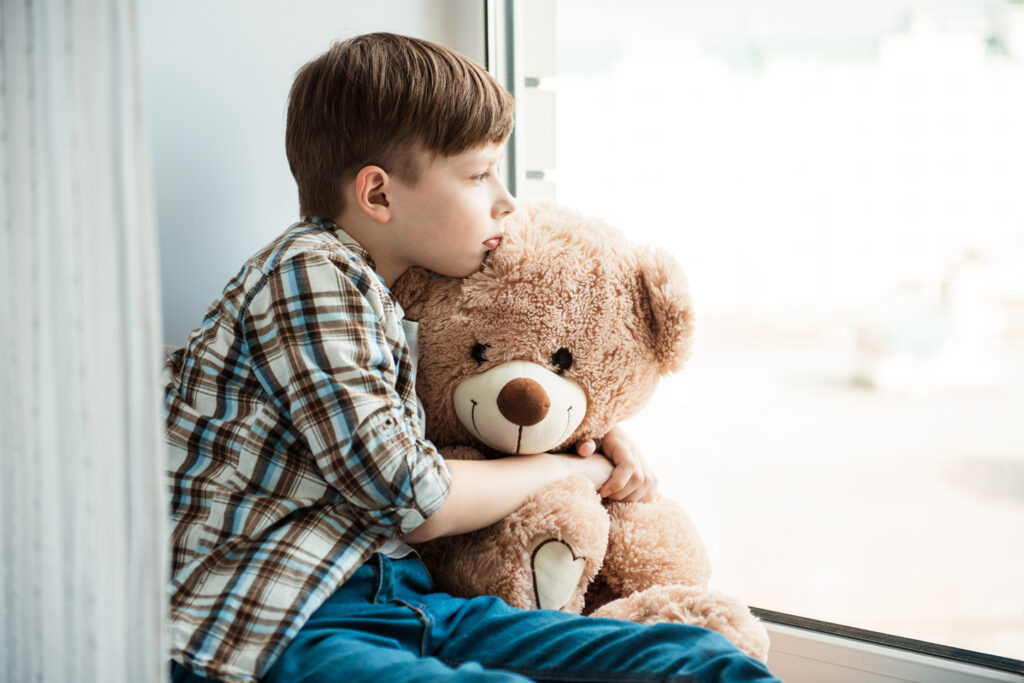
Children thrive when they can maintain safe, loving relationships with both parents. When Parental Alienation (PA) occurs, this balance is disrupted, and the child can experience emotional, psychological, and social consequences that may last into adulthood.
This page explores the short-term and long-term effects of PA, drawing on research from psychology, child development, and family studies.
Short-Term Impacts
Children caught in alienation dynamics may experience:
- Anxiety and Stress – Feeling pressured to “choose sides” can overwhelm children.
- Confusion and Guilt – Many children secretly still love the targeted parent but feel guilty about it.
- Identity Conflict – Children may feel torn between two versions of reality (what they experience vs. what they’re told).
- Behavioural Problems – Acting out at school, withdrawing from friends, or showing anger without a clear cause.
- Loss of Stability – The rejection of one parent often means losing connection with extended family, routines, and community ties.
Long-Term Impacts
If unaddressed, the effects of alienation can continue into adolescence and adulthood:
- Depression and Low Self-Esteem – Internalising blame or rejection.
- Relationship Difficulties – Struggles with trust, loyalty, and healthy attachment in friendships and partnerships.
- Distorted View of Family Dynamics – Difficulty forming balanced perspectives of others; may repeat patterns with their own children.
- Alienation from Extended Family – A reduced sense of belonging or cultural identity.
- Grief and Regret in Adulthood – Some adults later mourn the lost relationship with a parent they realise cared for them.
The “Child’s Voice” Dilemma

In court or family disputes, children’s voices are important—but in PA cases, what children say may be influenced by one parent’s behaviour.
Professionals must carefully distinguish between:
- Genuine Wishes & Feelings (when children express their true experience), and
- Influenced Narratives (when children echo a parent’s views).
This is why many courts (UK) now use the framework of resistance, reluctance, or refusal (RRR) to carefully assess each situation.
Protective Factors
Not all children affected by PA suffer long-term harm.
Factors that can reduce the negative impact include supportive relationships with teachers, mentors, or extended family.
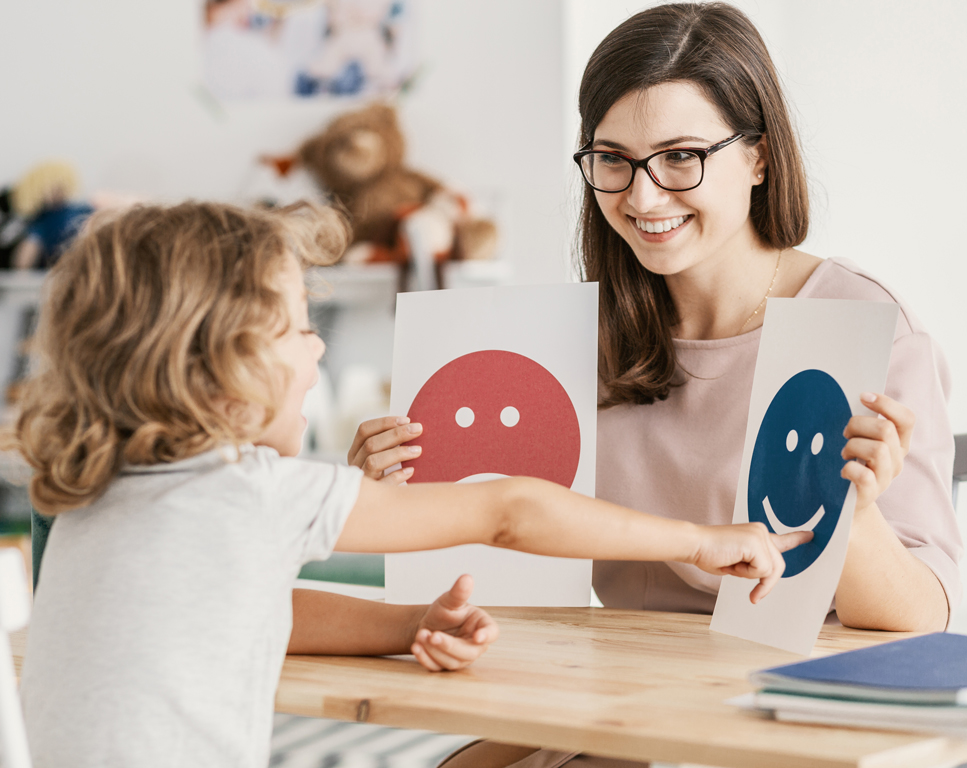
Access to therapy or counselling is recommended, and early intervention by family courts and professionals is essential.
Parents should ensure children do not witness family disputes.
⚠️ Disclaimer: This page and website is for educational purposes only and does not replace legal or psychological advice.
Signs & Behaviours
Impact on Childern
Legal Framework
Resources & Support
Privacy Policy & Disclaimer
About Alien Parents
Contact Us
Copyright © AlienParents.com.
All Rights Reserved.